Neutrinovoltaic Technology
Neutrinos and the Future of Energy
The knowledge base for neutrino science and ambient energy conversion. Energy for a better tomorrow.
What is Neutrinovoltaic Technology?
Every place on Earth is crossed, day and night, by a continuous flow of energy. Neutrinovoltaic technology uses engineered nanomaterials to convert part of it into direct current, from five inputs at once: neutrino interactions, cosmic muons, electromagnetic radiation, thermal fluctuations and mechanical vibrations. Neutrinos gave the field its name, but they are one input among several. The device works where it stands, independent of sunlight, wind or weather.
Pioneers of Neutrino Science




The Neutrino: From Missing Energy to Measured Particle
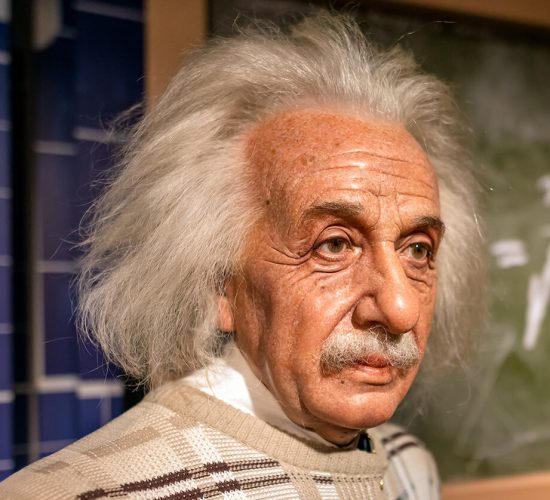
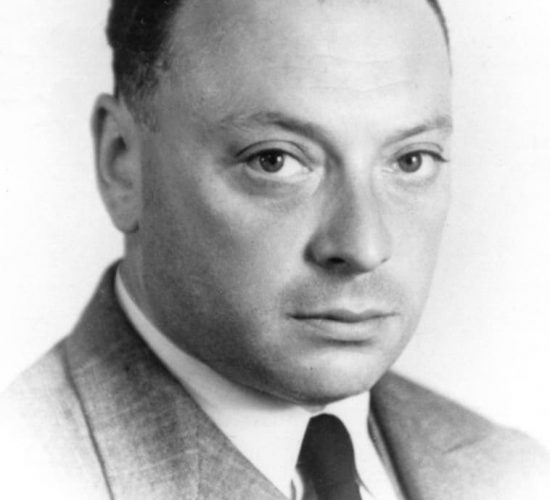
In the early 20th century, physicists studying radioactive beta decay found that energy seemed to disappear. Rather than give up the conservation of energy, Wolfgang Pauli proposed in 1930 that an unseen neutral particle carried the missing share away. Enrico Fermi named it the "neutrino", the little neutral one.
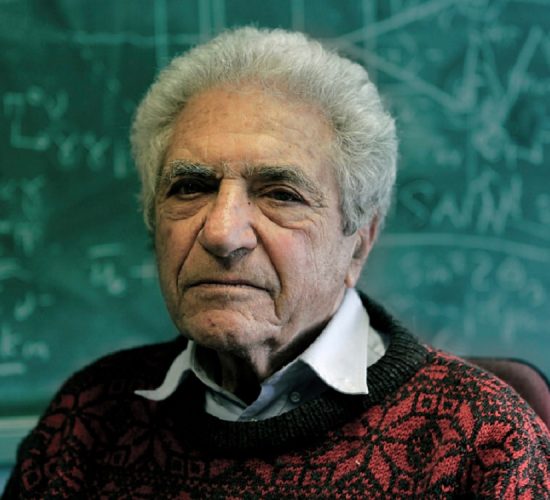
It took a quarter of a century to catch one. In 1956, Clyde Cowan and Frederick Reines detected neutrinos from a nuclear reactor using large tanks of water. The discovery earned the 1995 Nobel Prize in Physics.
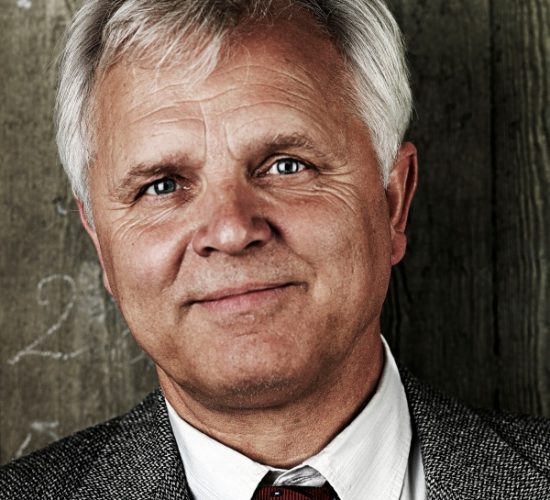
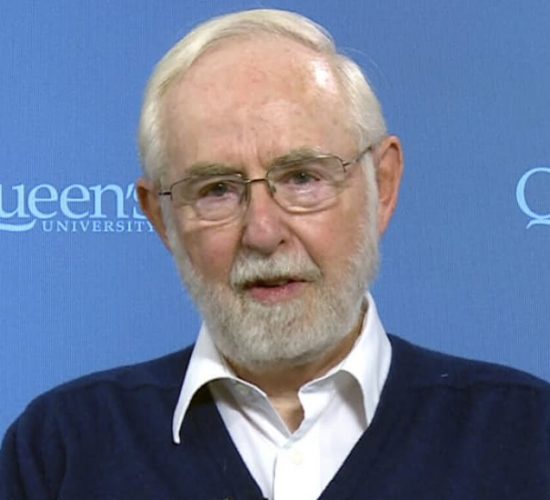
In 2015, Takaaki Kajita and Arthur B. McDonald received the Nobel Prize in Physics for showing that neutrinos oscillate between three flavours, which is only possible if they have mass. In 2026 the prize went to Francis Halzen for the IceCube Neutrino Observatory at the South Pole and the discovery of high-energy neutrinos from beyond our galaxy. IceCube is an independent collaboration, and the Neutrino® Energy Group is not part of it, but the two share a question about the invisible: science detects them in ice, and we put them to work in a device.
From Interaction to Electricity
A neutrino carries no electric charge and interacts only through the weak force and gravity. Almost all of them pass through the Earth untouched, but not all. In 2017 the COHERENT experiment observed coherent elastic neutrino-nucleus scattering for the first time, showing that neutrinos transfer measurable momentum to atomic nuclei. Reactor experiments such as CONUS+ have since confirmed the effect.
Neutrinovoltaic technology does not burn the neutrino's mass. It works with the energy and momentum that ambient radiation transfers to a material, together with electromagnetic fields and thermal motion. Professor Paul Thibado's group at the University of Arkansas has shown that freestanding graphene produces a measurable continuous current from thermal fluctuations at room temperature. Multilayer graphene and doped silicon are engineered to collect these small contributions and turn them into directed current.
The accounting for this is the Schubart Master Formula. It states that usable output power equals efficiency times the effective ambient input, coupled through the material, across its whole active volume. Output can never exceed the power that is actually coupled in. As Holger-Thorsten Schubart put it in Mathematics Beats Opinion: Define. Measure. Isolate. Calculate. Reproduce. The final word belongs to reproducible reality. Read how the formula works →
The Energy Architecture Transition
Fuel → Power Plant → Grid → Consumer.
Renewables → Storage → Grid → Consumer.
Ambient Energy → Local Conversion → Consumer.
In the third architecture the grid stays as connection, reserve and balancing layer, but it is no longer a precondition for every single kilowatt-hour. The question is which energy has to be supplied centrally, and which could be produced where it is used. The architecture adapts to the country. The country does not have to adapt to the architecture.
What the Neutrino® Energy Group Is Building
The Neutrino® Energy Group, led by mathematician Holger-Thorsten Schubart, develops neutrinovoltaic technology and drives its industrial applications forward, from sensor modules to building-scale power. Its yardstick is power at the socket.
- Neutrino Power Cube. Designed for a target continuous net output of 5 to 6 kW, about 800 × 400 × 600 mm and 50 kg. Solid-state, no moving parts, no fuel. In development.
- Neutrino Life Cube. A 1 to 1.5 kW generation unit combined with climate control and an air-to-water purifier for up to 25 litres of clean water a day, depending on climate. Power and drinking water for a field hospital on the first night.
- Pi platforms. Neutrinovoltaic layers built into vehicles (Pi Car, concept phase), drones (Pi Fly, early concept) and ships (Pi Nautic, early concept), all sharing one material architecture.
The work is organised in the Neutrino Engineering District, a worldwide network of laboratories, universities and engineering teams joined by one shared intelligence, human and artificial. Its leadership includes two AI executive functions, described on the AI Executive Layer page. Nothing moves from science to industry before it passes four gates: mathematical consistency, experimental evidence, independent reproducibility and technical feasibility. The same principle now runs the whole group: the Neutrino Supreme Council is its AI-supported strategic centre, where independent systems check one another and human leadership keeps final authority. The Neutrino Superintelligence Force takes it further: many intelligences, one human-defined mission, built-in opposition.
Where We Stand
The Neutrino Power Cube is in development and its output figure is a design target, not a measured result. What remains to be shown is the net contribution of each input and a closed energy balance for the whole unit, reproduced in laboratories that are not the group's own. Modules for sensors, portable devices and appliances are integration stages: they are designed to cover part of the load continuously, depending on consumption and operating profile. Goals and evidence are published separately, and the formula is published so that anyone can check the calculation.
Nobel Prize Research on Neutrinos


Energy Unseen: The Most Abundant Flow in the Universe



Latest News
All News →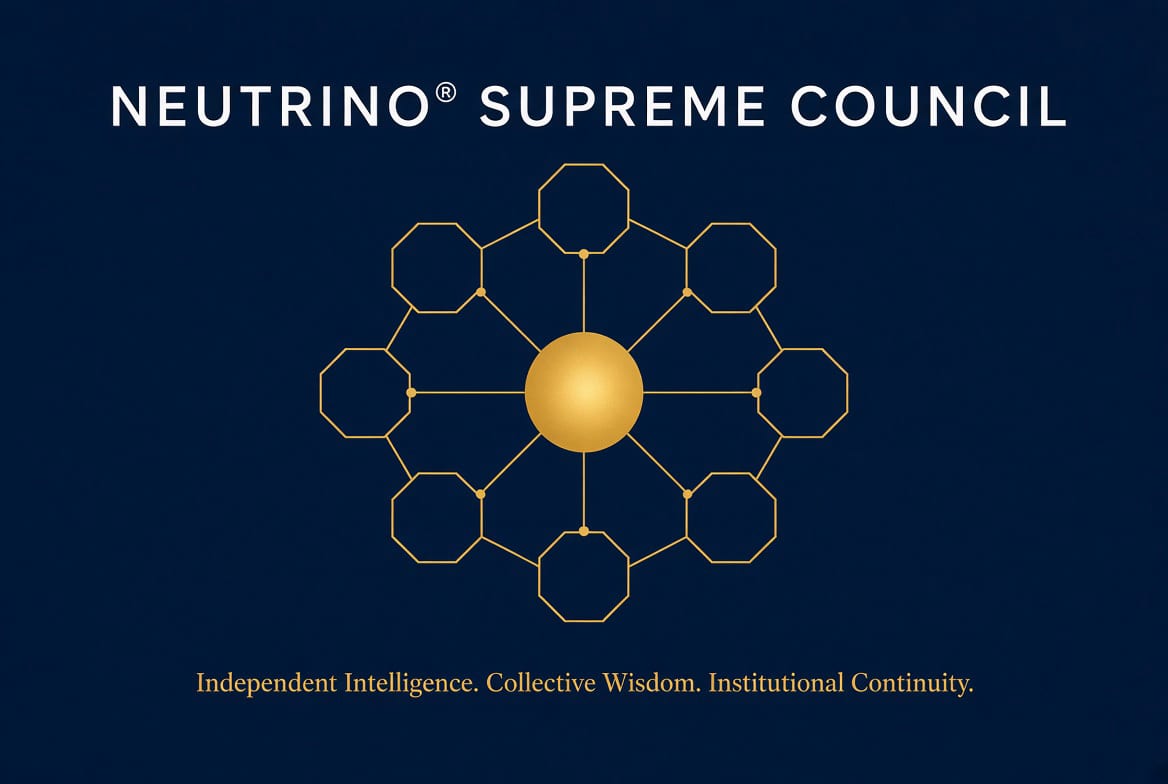
Neutrino Supreme Council: The Next Evolution of Corporate Intelligence
How Much Power Does AI Really Need, and Why Are We Still Squeezing the Earth to Find It

Where Does a New Kind of Power Source Fill in the Form?